






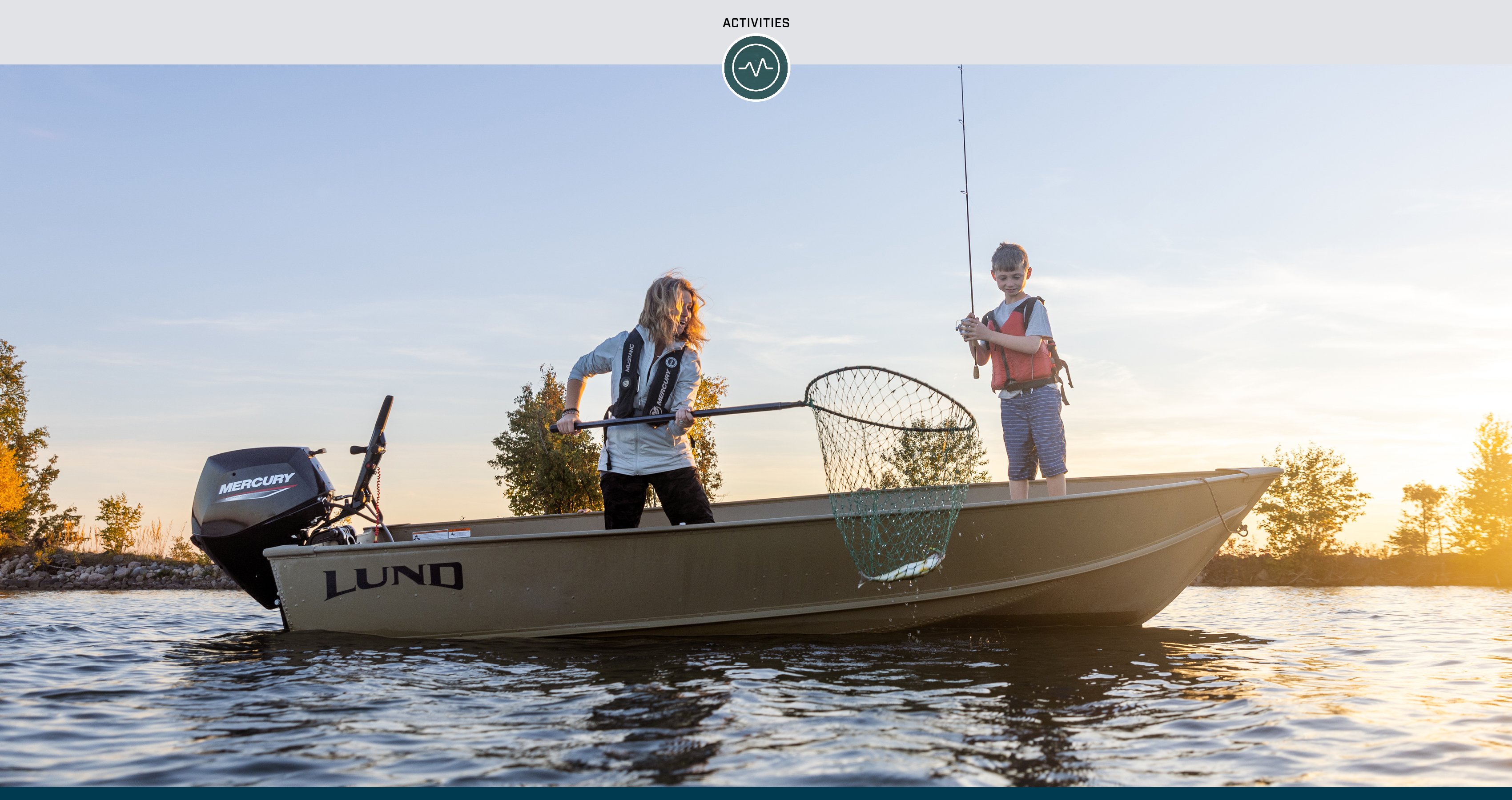

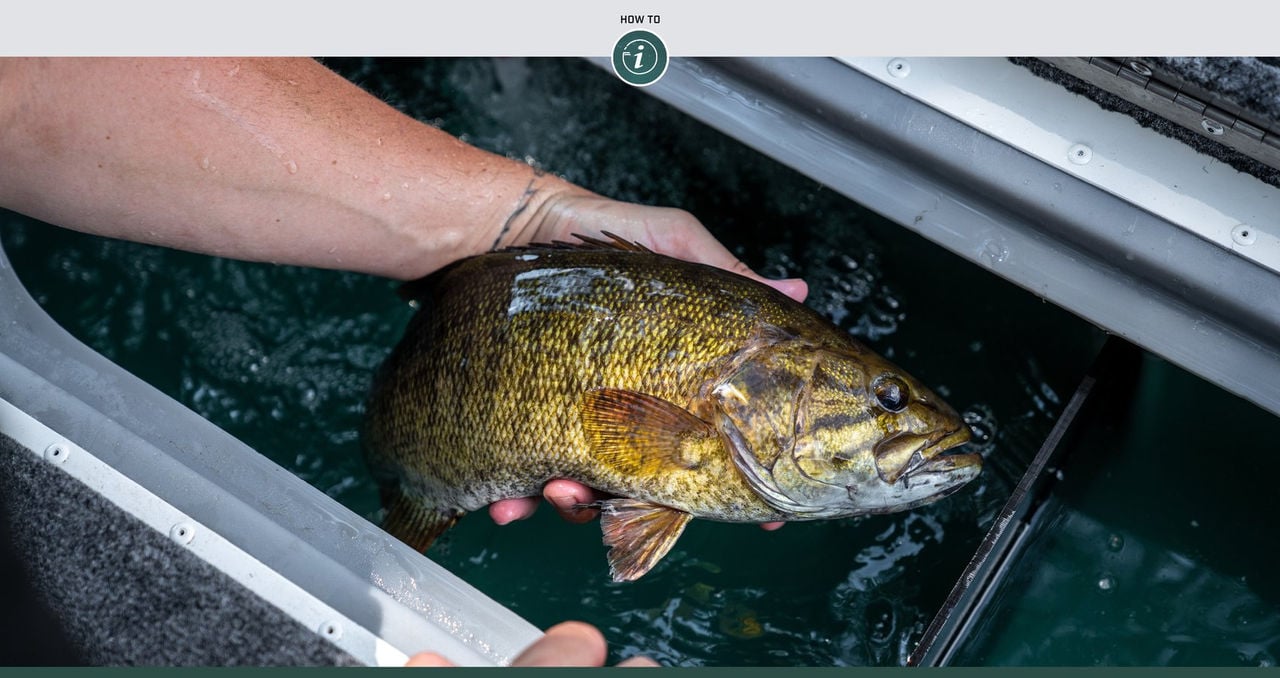
Catch and release is one of the best aspects of bass fishing. The entire culture is built around this principle, with recreational and tournament anglers alike releasing most of the bass they catch.
For the concept to work, the fish must survive. We owe it to the resource to ensure that the fish we handle, photograph and weigh in are healthy enough to fight again for another angler in the days ahead.
The first step is learning how to care for bass being held in a livewell. It is not as simple as filling the tank with water and adding fish. Proper livewell management plays a major role in fish survival during tournaments and long days on the water.
Why Livewell Water Quality Matters
Your livewell fills with lake water, the same water where your bass were caught, but from the fish's perspective, the environment quickly changes once they are confined.
When held in a livewell, bass produce waste in the form of ammonia and carbon dioxide due to respiration and stress. As this builds up, water quality declines and can quickly become harmful if not managed properly.
This is why proper aeration and water exchange are critical to maintaining a healthy livewell environment and improving fish survival rates.
1. Continuously Circulate Fresh Water
One of the most important steps in livewell management is keeping fresh water moving through the system.
Do not rely on recirculated water alone. Instead, pump new water into the livewell and allow excess to drain through the overflow. This helps flush waste products and maintain oxygen levels.
Timer systems can be helpful, but in warm water conditions, livewell pumps should run continuously once fish are onboard.
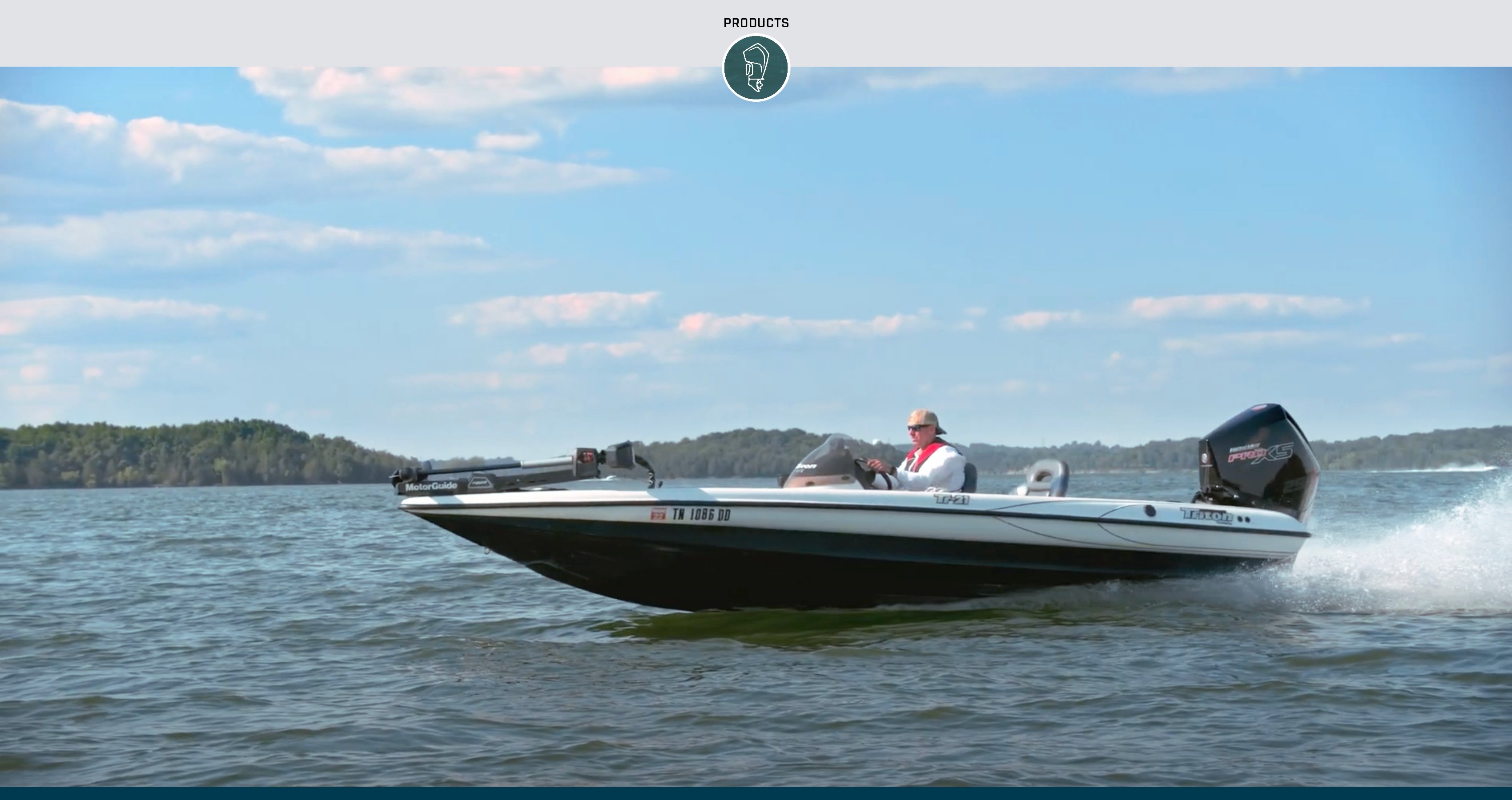
Running pumps will draw power from your battery, so be sure to periodically run your Mercury outboard throughout the day to maintain adequate charge.
2. Increase Oxygen Levels in the Livewell
Fish require more oxygen when confined, especially in warm water.
Adding a bubble aerator can significantly improve livewell conditions. These systems introduce oxygen directly into the water and help maintain healthier conditions for bass.
Other options include oxygen injection systems and vented livewell lids that allow waste gases to escape and fresh air to circulate.
While factory pumps provide some aeration, supplemental systems are often more effective at maintaining dissolved oxygen levels in hot weather.
3. Use Ice to Control Water Temperature
Ice is one of the most effective tools for improving livewell conditions during summer fishing.
Cooling the water increases its ability to hold oxygen. A 10-degree drop in water temperature can increase oxygen carrying capacity by as much as 50 percent.
However, avoid extreme temperature drops. Biologists recommend reducing livewell temperature gradually and avoiding changes greater than about 10 degrees to prevent temperature shock when fish are released.
When adding ice, it helps to temporarily close off outside water flow so the ice does not melt too quickly. A floating thermometer can help you monitor conditions.
4. Follow a Daily Livewell Strategy
A consistent system can improve fish survival throughout the day.
- Fill your livewell early in the morning when water temperatures are lowest
- Run pumps continuously once fish are added
- Use fresh water flow through the morning when possible
- Switch to recirculating water around midday when the livewell is full
- Add ice and supplemental aeration to maintain cooler conditions
- Periodically exchange part of the water with fresh lake water
This rotation helps balance oxygen levels, temperature control and waste buildup throughout the day.
5. Flush and Refresh Water Regularly
One of the most commonly overlooked aspects of livewell management is water quality over time.
Even with aeration and cooling, waste products build up in the system. Flushing and replacing at least part of the water every couple of hours helps prevent toxic conditions and improves fish health.
6. Use Livewell Additives Carefully
Chemical additives have long been used to improve livewell conditions.
Many products include salt and compounds that help reduce stress, buffer pH and neutralize ammonia. Non iodized salt is commonly used by fisheries professionals and can be effective when used correctly.
As a general guideline, a small container of salt can be added to a full bass boat livewell, but always follow product recommendations and avoid overuse.
Avoid additives that are designed to stimulate fish activity, as the goal is to keep fish calm and reduce stress.
Protecting the Resource
Keeping fish alive and healthy during catch and release is one of the most important responsibilities in bass fishing, especially during tournaments or extended time in a livewell.
By properly managing water quality, oxygen levels and temperature, anglers can greatly improve survival rates and help ensure strong fisheries for the future.