






The boat is secure on the trailer, the sun is going down and the whole crew has that special mix of happy and tired that only comes from spending a great day on the water. It's incredibly tempting to call dibs on the first shower and just hit the road, but before you do, take a couple of extra minutes to help stop the spread of aquatic invasive species (AIS).
Cleaning and draining your boat after every outing is one of the simplest and most important boat maintenance habits you can develop. Whether you fish, cruise or enjoy watersports, taking a few extra minutes before heading home helps protect lakes, rivers and coastal waterways while keeping your boat ready for the next adventure.
What Are Aquatic Invasive Species?
Simply stated, an aquatic invasive species (AIS) is any organism, typically a plant or animal, that is not native to a particular ecosystem. Often, there's no way of knowing exactly how an invasive species will impact a new body of water until it's too late.
As invasive species such as zebra mussels and Asian carp have demonstrated across North America, native ecosystems often have no natural way of controlling their spread. These aquatic hitchhikers can damage fisheries, disrupt ecosystems and negatively impact recreational boating opportunities.
Aquatic invasive species can attach to your boat, boat trailer, Mercury outboard, trolling motor, fishing equipment and other boating gear. That's why it's important to remove all organic matter before leaving the launch.
Why Cleaning Your Boat Matters
Responsible boating goes beyond operating your boat safely on the water. It also means helping preserve the waterways you enjoy for future generations.
By making boat cleaning and inspection part of your regular boat maintenance routine, you can help prevent invasive species from spreading from one lake or river to another. These simple steps only take a few minutes and can make a meaningful difference.
In this Mercury Quick Tip video, you'll learn how to inspect, clean and drain your boat before heading home.
How to Remove Aquatic Invasive Species From Your Boat
Follow these simple steps every time you remove your boat from the water.
1. Move to a Safe Cleaning Area
Once your boat is on the trailer, pull it to the nearest out-of-the-way location. If possible, park on a slight incline to allow water to drain more completely.
2. Drain All Water
Remove the drain plug and make sure nothing prevents bilge water from flowing freely.
Lower your Mercury outboard or sterndrive completely so water can drain from the cooling passages.
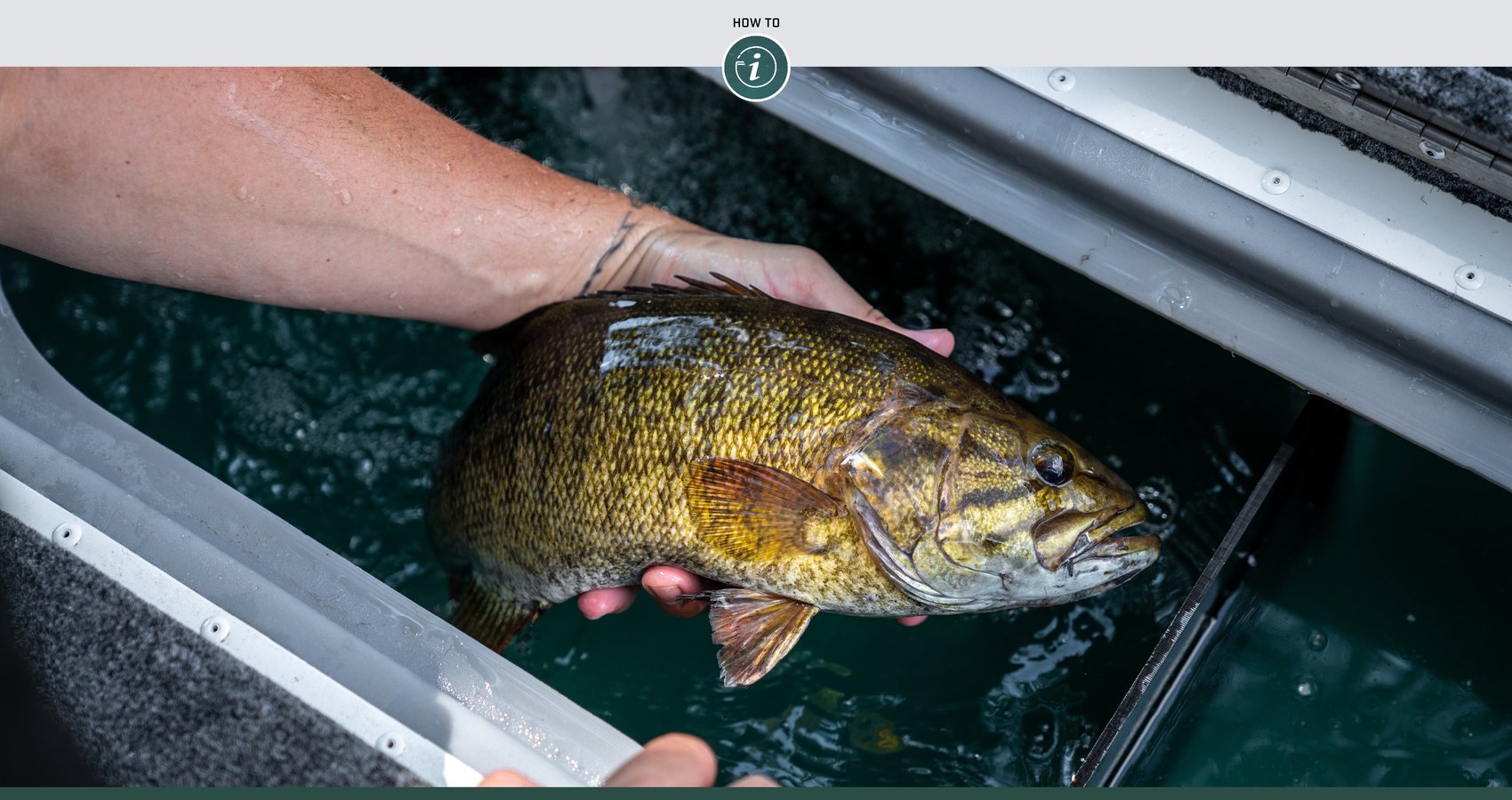
Remove the plugs from all livewells and baitwells and allow them to drain completely.
3. Inspect the Boat and Trailer
Starting at the rear of the boat, perform a visual inspection for weeds, plants, mud and other organic material.
Inspect the:
- Boat hull
- Boat trailer
- Swim platform
- Boarding ladders
- Transducers
- Trailer bunks or rollers
- Axles
- Wheels
- Brake lines
- Propeller area
Remove any mud or sediment you find because it can harbor seeds, eggs or tiny aquatic organisms. A boat hook can help reach debris that's difficult to remove by hand.
Continue the inspection along both sides of the boat and trailer until you've checked every area where debris can collect.
4. Check Your Boating Gear
Inspect the interior of the boat for any organic matter.
Fishing tackle, tow ropes, anchors, dock lines and other boating equipment can easily carry aquatic invasive species from one body of water to another. Remove any debris before traveling.
5. Don't Forget the Trolling Motor
If your boat is equipped with a trolling motor, inspect it thoroughly and remove any vegetation or other organic material before leaving the launch.
6. Prepare for the Road
Once your inspection is complete, raise your outboard or sterndrive to its normal trailering position and you're ready for the drive home.
Make Boat Cleaning Part of Every Trip
Cleaning your boat doesn't take long, especially if family members or passengers help with the process. It's also a great opportunity to teach everyone onboard why protecting our waterways matters.
Before every trip home, make a final walk around your boat and trailer to ensure they're clean and free of aquatic invasive species. As the boat owner, it's ultimately your responsibility to help prevent invasive species from spreading to the next lake, river or coastal waterway you visit.
Just a few extra minutes at the boat launch can help preserve healthy waterways and better boating experiences for everyone.
For more comprehensive information about aquatic invasive species and how you can help stop their spread, visit the United States Department of Agriculture’s National Invasive Species Information Center website.