






Fishing during the heat of summer means going the extra mile to make sure released fish stay healthy. Just as hot summer days can stress people, they also put added stress on fish.
As water temperatures rise, dissolved oxygen levels decrease. In many fisheries, that significantly reduces a fish's ability to survive after being caught and released. That's why practicing proper fish handling and catch-and-release techniques is especially important during the summer months.
In some parts of the country, wildlife agencies discourage catch-and-release fishing once water and air temperatures reach certain levels. During particularly hot summers, agencies may issue advisories asking anglers to give fish a break until conditions improve. Likewise, some thermal refuges where fish gather in cooler water are closed to fishing during periods of extreme heat.
Before heading out, check your state's fishing regulations and advisories to understand current conditions and recommendations.
Why Summer Fish Care Matters
Every fishery is different, but the goal remains the same: reduce stress on the fish and improve its chances of survival after release.
Whether you're bass fishing, targeting striped bass or chasing other freshwater species, following proper fish care practices helps preserve healthy fisheries for future generations.
1. Fish During the Coolest Parts of the Day
Fish early in the morning or later in the evening when air temperatures are lower. Air temperature can have just as much impact on fish survival as water temperature.
Studies have shown that striped bass catch-and-release mortality, for example, jumps from 0.8% to as high as 17.2% when air temperatures exceed 95 degrees.
2. Keep Fish in the Water Whenever Possible
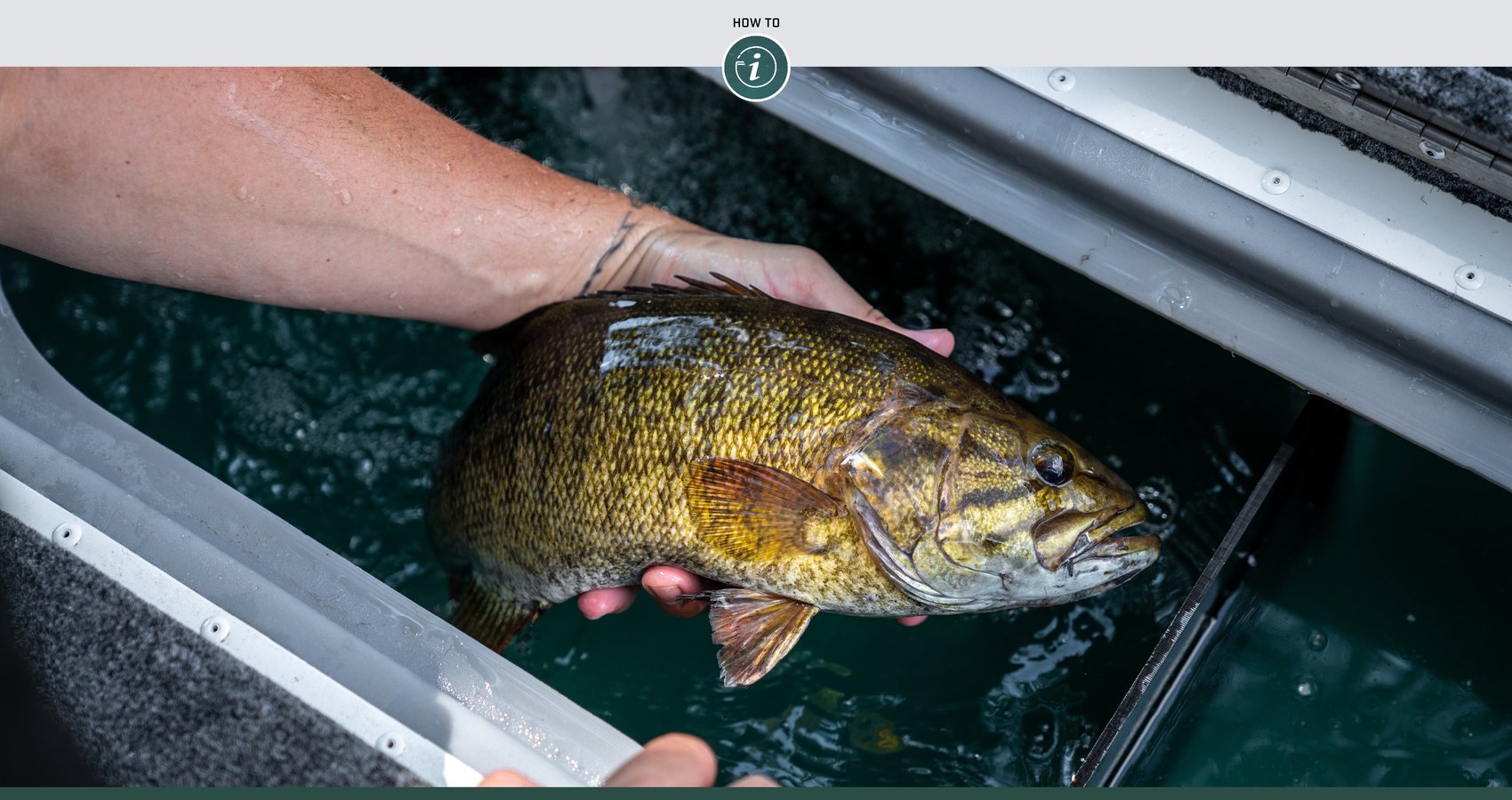
Try to unhook and release fish without removing them from the water.
Want a quick photo? Keep the fish in the water while your fishing partner gets the camera ready. Lift it only long enough for a quick picture before releasing it.
A good rule of thumb: if the fish has stopped dripping, it's probably been out of the water too long.
3. Know Your Fishery
Warm-weather mortality rates vary by species, location and water conditions.
Take time to learn the temperature thresholds for the fish you're targeting. If conditions become too stressful, consider fishing for a different species or choosing another body of water where fish are less vulnerable.
4. Know When to Call It a Day
During periods of extreme heat, consider postponing your fishing trip altogether.
If you decide to fish despite high temperatures and believe a released fish is unlikely to survive, consider keeping it if regulations allow. Sharing the fillets with a neighbor is better than letting a fish go to waste.
5. Manage Your Livewell Properly
If you're fishing a tournament or keeping fish alive in your livewell, proper livewell management becomes even more important during hot weather.
Run the livewell pump continuously and use an aerator or oxygen injection system to maintain healthy dissolved oxygen levels. These simple steps can significantly improve fish survival before weigh-in.
6. Practice Proper Catch and Release Techniques
Always follow best catch and release practices.
Handle fish gently, minimize the amount of time they're out of the water and use the proper tools to remove hooks quickly. Every second counts during warm-weather fishing.
7. Land Fish Quickly
Use tackle that's heavy enough to bring fish in efficiently.
Long fights exhaust fish and increase the stress they're already experiencing from warm water conditions. Landing fish quickly gives them a better chance of surviving after release.
8. Avoid Targeting Deep Water Fish
Avoid targeting deep water species that thrive in colder water during the hottest months.
Species such as salmon may be holding in water that's only 45 to 50 degrees while surface temperatures exceed 70 degrees. Reeling fish through that dramatic temperature change can be stressful on its own. Combined with exposure to hot air and the risk of barotrauma, survival rates can drop significantly.
Help Protect the Future of Fishing
Even if you plan to keep your legal limit, remember that undersized fish are often released. The care you take today helps ensure those fish survive to become tomorrow's trophy catches.
By practicing responsible fish handling, proper catch and release techniques and thoughtful summer fishing habits, every angler can help protect healthy fisheries for future generations.