







As boating season winds down in many parts of the country, winterizing your Mercury outboard is one of the most important things you can do to protect your investment and time on the water next season. Proper winterization helps ensure a trouble-free start to your next season and can avoid costly repairs caused by freezing temperatures, moisture or fuel contamination problems.
Unfortunately, many boaters make simple mistakes that can lead to serious issues once the snow melts. Here are seven common mistakes to avoid when winterizing your boat and outboard, along with some tips on how to do the job right.
Waiting Too Long
Procrastination is the enemy of proper winterization. Waiting until the temperature drops or there’s snow on the ground can leave you scrambling and increase the risk of damage from freezing water or condensation buildup. Once the temperature consistently dips below 50°F, it’s time to winterize. Aim to complete the process before the first hard freeze to prevent cracked lines and other damage.
Not Filling the Fuel Tank or Treating Fuel
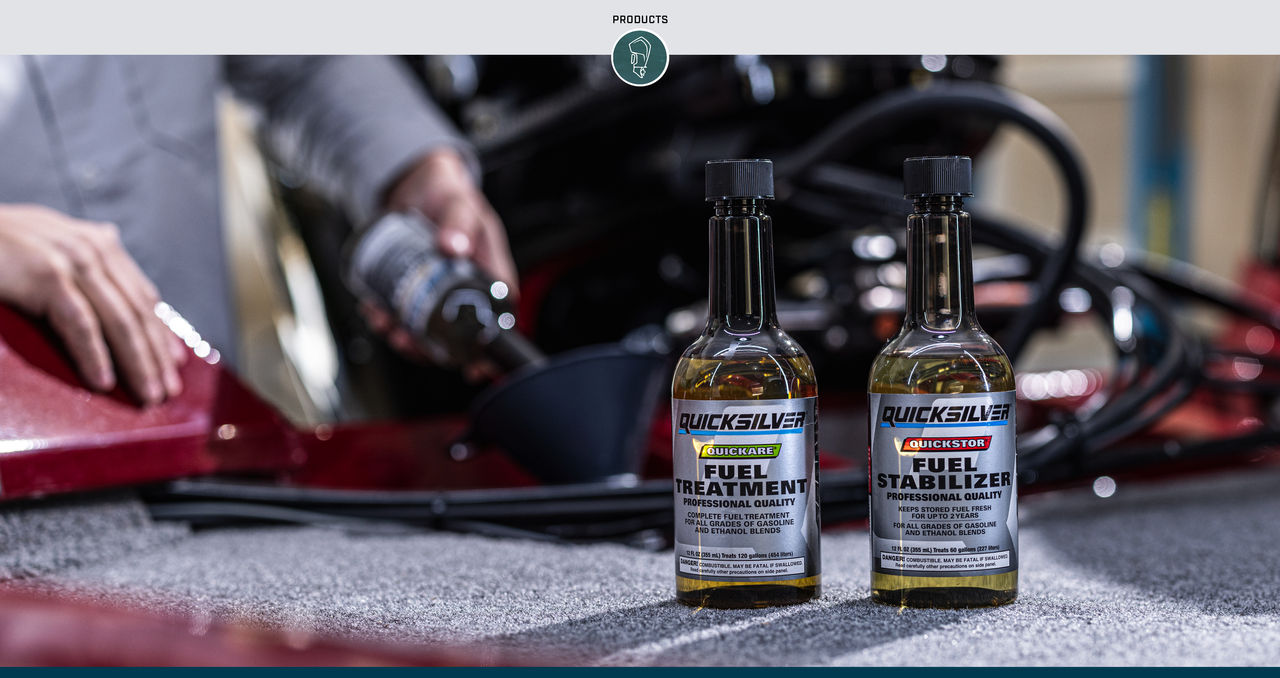
A partially filled fuel tank is an invitation for condensation buildup that can cause fuel problems down the line. Always fill your fuel tank to about 95% capacity before long-term storage, leaving a little room for expansion. Add a fuel stabilizer approved for marine engines, like Mercury Quickstor®, and run the engine for 10–15 minutes to circulate the treated fuel through the entire system. This prevents ethanol separation and keeps your fuel fresh for the next season.
Not Draining Water from the Engine
Water left in your outboard’s cooling system can freeze, expand and crack vital components. After your final run, flush the engine with clean, fresh water using a flush fitting like the Mercury Quick Connect Flush System. After flushing, tilt the motor all the way down to allow trapped water to drain completely. Be sure the engine is completely dry before storing it over the winter.
Not Wrapping or Covering Your Boat
Leaving your boat exposed to winter weather invites damage from dirt, snow, rodents and moisture. Use a high-quality, breathable cover or shrink-wrap your boat to keep out debris and prevent mold and mildew from forming. A Mercury Tow N Stow Outboard Cover provides extra insurance to keep your engine clean and scratch-free. Secure covers tightly and check them periodically throughout the season.
Not Changing the Oil and Filter
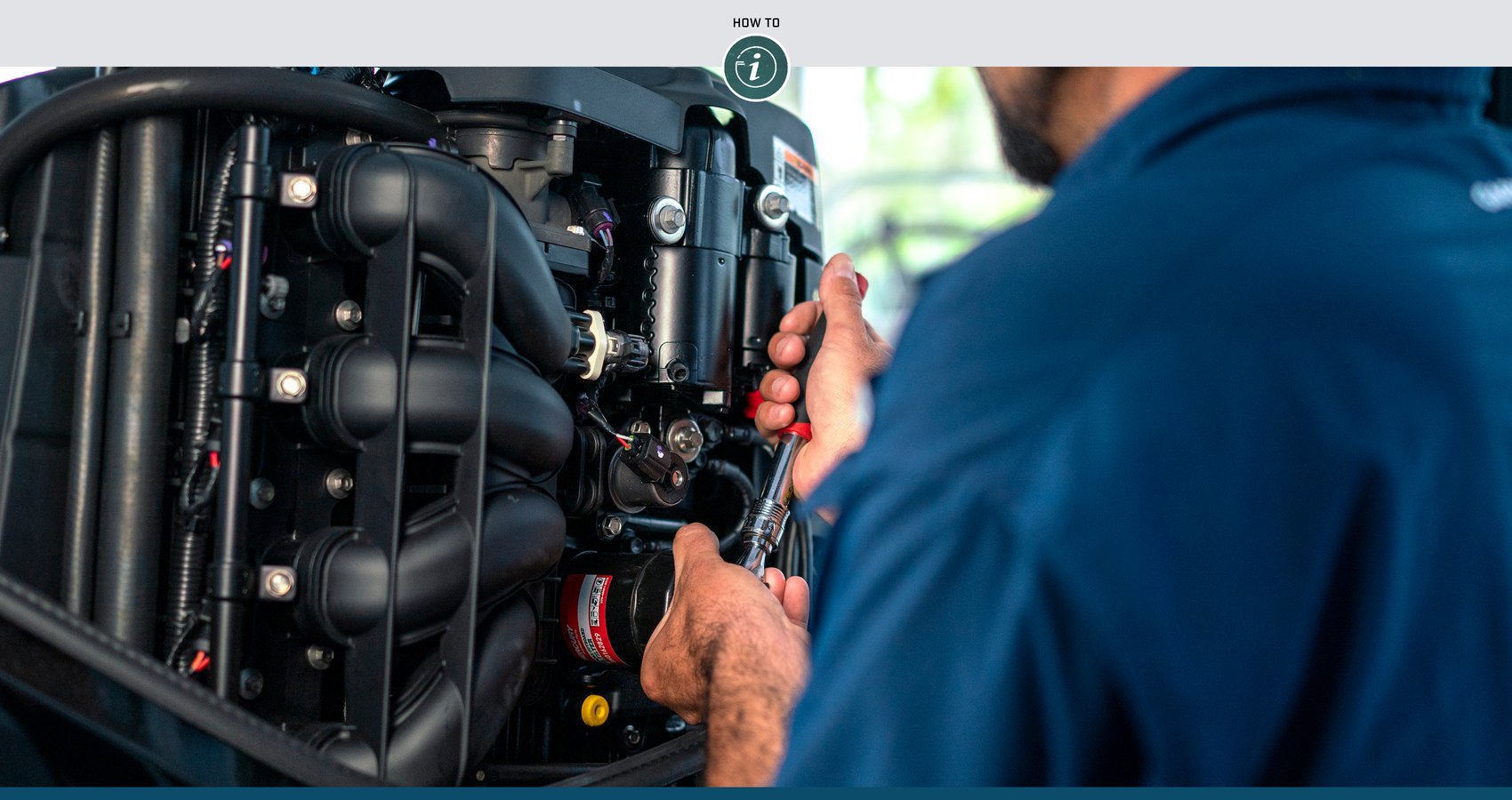
Used engine oil contains acids and contaminants that can build up and corrode internal engine parts over time. Before storing your outboard for the winter, perform a full oil and filter change. Use fresh Mercury Marine Engine Oil and the correct replacement filter for your model. Don’t forget to check and replace gearcase lube as well, as water intrusion in the lower unit can cause expensive freeze damage if left unchecked.
Not Fogging the Engine
Fogging protects internal engine components from corrosion during months of inactivity. Use Mercury Storage Seal Fogging Oil, following the fogging procedure in your operator’s manual. Fogging oil coats the cylinders, pistons and bearings with a protective film that keeps moisture and rust at bay.
Leaving the Battery Connected
Many boaters forget about onboard batteries until spring, only to find them dead or damaged. Disconnect your boat’s batteries and store them in a cool, dry place. Use a smart trickle charger or battery maintainer to keep batteries topped off without overcharging. Never leave a battery connected in a stored boat, especially if it’s outside, where temperature swings can drain it fast.
Final Thoughts
Winterizing your Mercury outboard doesn’t have to be complicated, but it does require attention to detail and some simple preventive maintenance steps (check out our How to Winterize Your Outboard article to learn more). By avoiding these seven mistakes, you’ll protect your engine, save money and ensure a smooth start when boating season returns.
If you’re not confident doing it yourself, schedule a service appointment with your local Mercury Authorized Dealer. A professional technician can perform a full inspection, winterization and storage prep so you and your boat are ready to hit the water when spring arrives.